January 15, 2026
When it comes to your pet's health, maintaining open and informed communication with your local veterinarian is crucial. Knowing the right questions to ask can greatly enhance the care your pet receives. This article will guide you through key questions to consider, ensuring your furry friend is always in good hands. Engaging in dialogue with your vet not only helps clarify the complexities of pet care but also strengthens the trust between you and the professionals responsible for your pet's well-being. Given the numerous facets of pet care, this guide is structured to cover basic health requirements, emergency protocols, treatment options, behavioral guidance, financial considerations, and more.
Understanding Your Pet's Basic Health Requirements
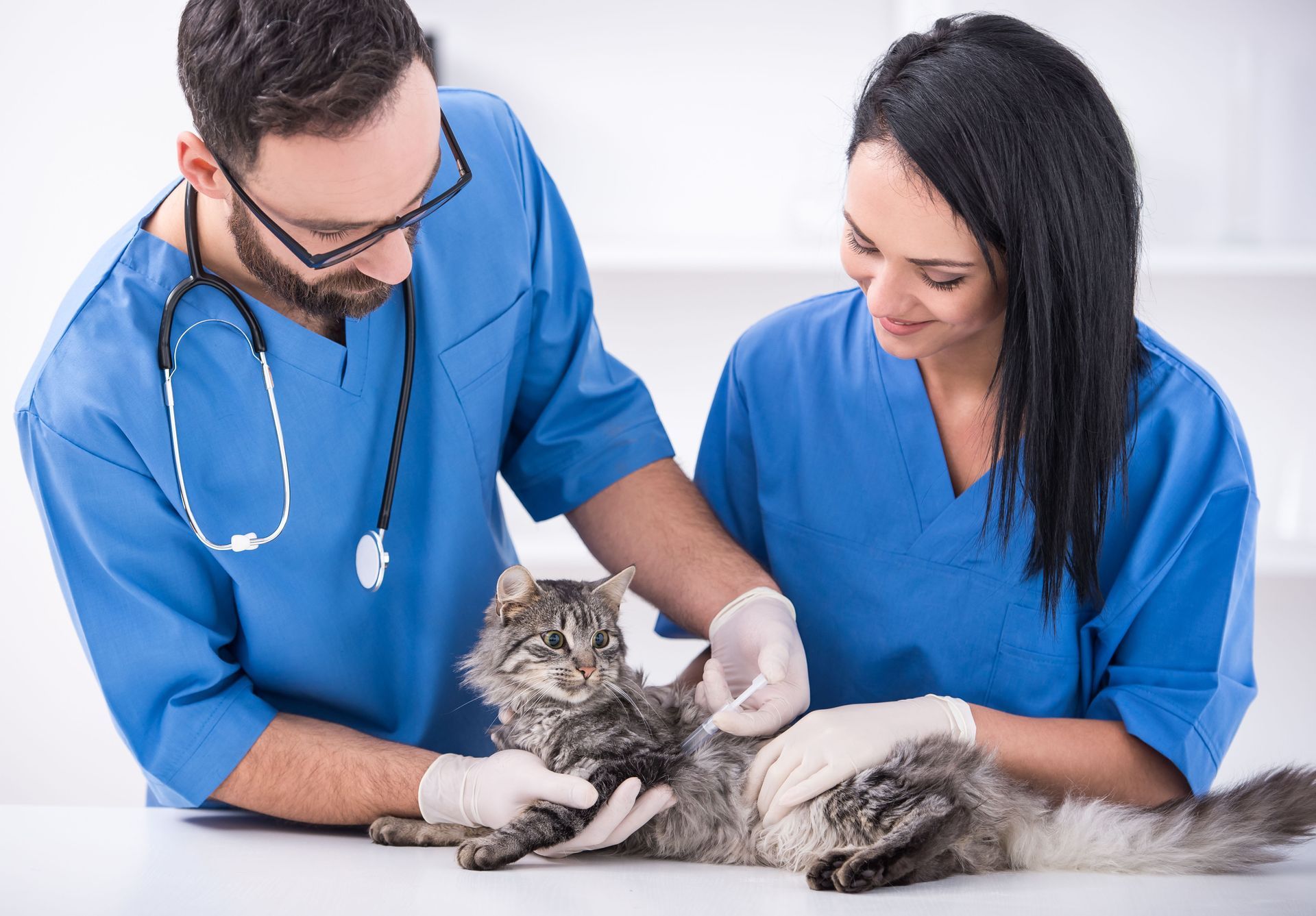
Starting with the fundamentals, it's vital to understand the essential health requirements for your pet. One of the top questions involves vaccinations; knowing exactly what your pet needs can prevent a range of diseases. Additionally, regular check-ups are key to keeping your pet in prime condition. Local veterinarians often recommend that pets, much like humans, have annual or bi-annual visits to detect any potential issues early. Furthermore, understanding your pet's healthy weight includes not just the number on the scale, but also how that weight reflects on their overall physical health.
Dietary needs can vary significantly between different pets, and even between breeds of the same type. It's important to discuss with your local veterinarian any specific nutritional needs or restrictions your pet might have. Along these lines, preventive measures against parasites are another topic of conversation. Not only do they affect your pets' health directly, but they can also lead to significant discomfort and illness. Considering the projected increase to USD 38.23 billion in the veterinary service market in 2025, according to Grand View Research, these investments in preventive care reflect a growing awareness of pet health.
Knowing the ideal weight and diet tailored for your pet helps keep them energetic and healthy. A balanced diet combined with safe exercise routines can contribute greatly to maintaining an appropriate weight for your pet. Parasite prevention might be seen as a minor concern, but it really plays a major role in maintaining your pet's wellness. From flea control to heartworm prevention, each measure ensures your pet remains comfortable and free from disease. In summary, regular dialogue focusing on basic health requirements can lay a solid foundation for your pet's lifelong well-being.
Handling Emergencies: What Every Pet Owner Should Know
Emergencies can be distressing for both pet and owner, making a well-prepared pet owner a well-prepared pet. Recognizing the signs of a medical emergency, such as difficulty breathing, excessive bleeding, or sudden seizures, can considerably improve the outcome. Being familiar with the signs of poisoning, such as vomiting or diarrhea, can also save precious time. For such events, knowing where the nearest 24-hour emergency veterinary clinic is located is vital. Every second counts during emergencies, so quick decision-making is critical and can be greatly aided by preparation.
A pet first-aid kit is another necessity that every pet owner should assemble. This kit can include bandages, antiseptic wipes, and essential medications that your pet may be taking. Again, reassurance can be found in knowing how to transport your pet safely during an emergency; understanding the best ways to carry or house your pet, depending on their injury, is critical. Veterinarians can provide clear guidelines for these situations, ensuring that minor injuries don't become major travesties. Significantly, this dialogue about emergency preparedness fosters a proactive outlook regarding pet health.
The intricacies of handling a sudden health issue in your pet may also include financial considerations. Unexpected veterinary emergencies can be costly, which emphasizes the importance of budgeting for these possibilities. Some clinics may offer payment plans or advice for securing financing for any substantial medical needs. Open conversations with your vet about potential emergency scenarios can thus alleviate unnecessary anxiety. Appropriately planning for emergencies ensures that you're prioritizing your pet's health above unforeseen challenges.
Understanding Treatment Options and Procedures
Diving deeper into care, understanding the available treatment options for your pet is crucial. When your pet is diagnosed with a condition, asking your veterinarian about alternative treatments is wise. Options may include physical therapy, dietary changes, or integrative medicine practices. The comprehensive knowledge provided by your veterinarian can help craft a tailor-made treatment plan for your pet. Transparency about these options ensures that decision-making remains collaborative and well-informed.
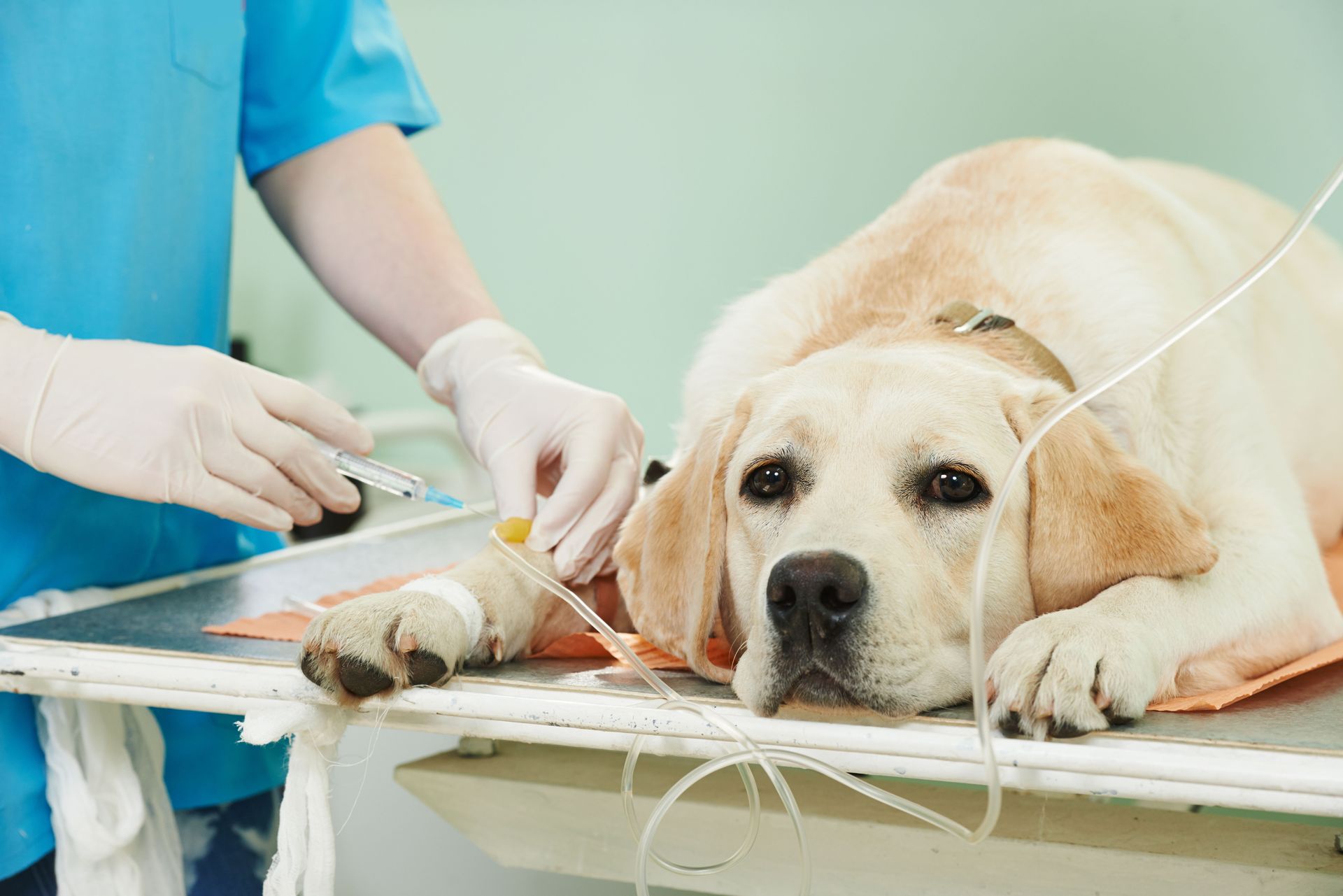
The topic of anesthesia is another area that often requires clarification from your vet. Many procedures require it, and knowing the risks involved can ease the decision-making process. The type and amount of anesthesia used will depend on the procedure and your pet's health status. Post-care, understanding medication and its common side effects ensures that any unexpected reactions or behaviors can be addressed immediately. As we see the veterinary services market expand, the importance of these tailored advice services cannot be overstated.
Behavior and Training Guidance
While medical needs take precedence, your pet's behavior is a crucial component of their overall well-being. In particular, addressing any anxiety your pet may experience is key. Discussing symptoms and potential solutions with your veterinarian can lead to effective strategies for reducing your pet's distress. Behavioral issues such as excessive aggression or destructive behavior can often be mitigated through dialogue with a vet. Veterinary guidance on using the right tools and techniques often makes a remarkable difference.
Professional training is a topic most pet owners will contemplate. Whether or not your pet needs professional training can often be determined in consultation with your vet. Such assistance can offer behavioral strategies that fit both your lifestyle and your pet's personality. Socialization is another pillar of behavior management; learning to interact with other animals and humans healthily contributes to your pet's happiness. Recognizing the signs of stress in pets preemptively allows owners to adapt and adjust to maintain harmony.
Proactive behavior management and training can avert many potential issues, thereby improving the quality of life for your pet and your household. Any observed behavioral concerns should prompt further exploration into both environmental factors and potential stressors. Your vet can often assess whether a physical health component could be contributing to these behaviors. This comprehensive approach, combining training and medical oversight, helps in creating a favorable environment for your pet's growth. A relationship built on understanding and patience fosters longstanding harmony.
Discussing the Financial Aspect of Pet Care
Understanding the financial aspects of owning a pet is vital for responsible ownership. With the U.S. veterinary services market reaching nearly USD 36.52 billion in 2024, budget considerations are more relevant than ever. Discussions with your local veterinarian can reveal what typical costs are associated with your pet's breed and age, as expenses can often rise with specific breeds or older pets. The market's growth underscores the importance of investing wisely in your pet's health. Transparent communication with your vet regarding costs ensures that there are no surprises in preventative or emergency care.
If confronted with expensive procedures, there are often financing options available. Whether through insurance, payment plans, or other financial resources, discussing these options with your vet can ease decision-making. Additionally, methods for budgeting for routine veterinary care can be addressed openly. Prioritizing wellness check-ups often leads to decreased emergency interventions, ultimately saving money by being preventative in approach. Exploring these fiscal facets establishes a balanced approach to sustaining your pet's health long-term.
Engaging with your local veterinarian by asking the right questions can significantly affect your pet's health and quality of life. This knowledge empowers you to make informed decisions, ensuring the well-being of your beloved companion for years to come. Don't hesitate to open dialogue with your veterinarian; your pet deserves the best care possible. As this article demonstrates, comprehensive discussions range from basic health and emergencies to behavior, treatment options, and financial considerations. Ultimately, fostering a lasting relationship with your vet benefits both you and your pet, offering security and expertise every step of the way.