January 30, 2026
Taking your dog to the vet can be a stressful experience for both you and your pet. Even dogs who are usually calm can become anxious at the sight of a leash, a car ride, or the unfamiliar smells of a clinic. For many pet owners, the challenge is not only getting their dog to the office but also helping them remain calm and cooperative throughout the visit. Knowing how to prepare in advance can make a significant difference in creating a positive, stress-free experience for your dog.
A successful veterinarian visit involves building a relationship between your pet and the healthcare provider. By preparing your canine ahead of time, you can reduce anxiety, avoid behavior problems, and ensure that your pet receives the care they need without unnecessary stress. With some planning and consistent practice, even dogs that typically dread the vet can approach appointments with greater ease.
Familiarize Your Dog With the Environment
One of the most effective ways to reduce stress is to gradually acclimate your dog to the environments they’ll encounter during the visit. Start with short trips in the car, even if they don’t end at the clinic. This helps your canine associate the vehicle with more than just stressful visits. Bringing along a favorite toy or blanket can also create a sense of comfort during the ride.
Once your dog seems comfortable with car trips, try taking them to the clinic for a “practice visit” without an actual appointment. Many veterinary offices encourage this, allowing pets to explore the lobby, sniff around, and meet staff in a low-pressure setting. Rewarding your dog with treats and praise reinforces that these experiences can be enjoyable. Even a few short visits like this can significantly reduce anxiety on the actual appointment day.
It’s also helpful to familiarize your dog with the equipment and sounds they might encounter. Playing recordings of clinic sounds at home, like the beeping of machines or the rustling of paper, can gradually desensitize your dog to these triggers. Coupled with positive reinforcement, this approach can make your dog less reactive during a real visit.
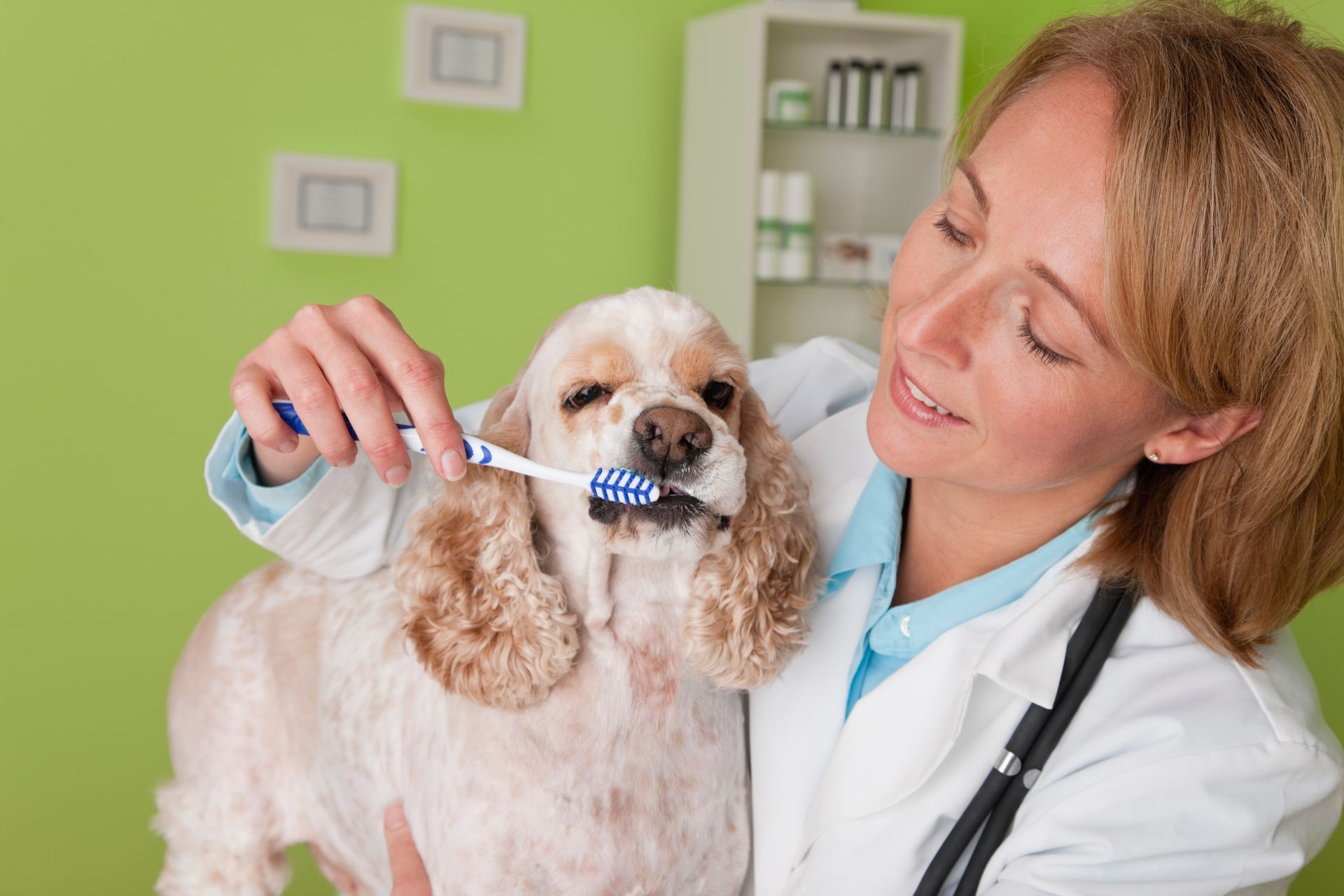
Additionally, you can practice handling exercises at home to simulate what happens during an exam. Gently touching your dog’s paws, ears, and mouth while rewarding calm behavior helps them feel more comfortable when a veterinarian needs to perform similar checks. This practice builds confidence and reduces fear during appointments.
Build Positive Associations
Creating positive associations with the vet is key to a stress-free visit. Dogs respond strongly to cues and experiences that signal safety, reward, and fun. Begin by linking the idea of the clinic with treats, praise, or playtime. Even walking by the clinic and giving your dog a treat can start forming a positive connection.
Another effective strategy is to carry special treats that your dog only receives during veterinarian visits. This makes the clinic a place where something enjoyable happens, rather than just a source of stress. High-value treats, like small pieces of cooked chicken or cheese, are especially effective for this purpose.
You can also incorporate short training sessions before appointments to reinforce calm behavior. Teaching your dog to sit or stay on cue and rewarding them for maintaining composure strengthens their ability to cope with stressful situations. These cues can be used in the waiting room or exam room to help your dog remain calm.
It’s important to maintain a relaxed demeanor yourself, as dogs are sensitive to their owner’s emotions. Speaking in a calm tone, offering gentle pets, and avoiding rushed movements signal to your canine that there is no danger. By staying relaxed, you reinforce the positive associations you’re working to create.
Manage Pre-Visit Routines
The routine leading up to a vet appointment can have a significant impact on your dog’s stress level. On the day of the visit, try to maintain normal feeding and walking schedules as much as possible. A short walk before leaving the house can help release energy and reduce anxiety. Avoid overfeeding or giving a large meal immediately before the visit, as some dogs may feel uncomfortable in the car or clinic.
If your dog tends to be highly anxious, consider calming aids recommended by your veterinarian. Products such as anxiety wraps, pheromone sprays, or natural supplements can help reduce stress during travel and the visit itself. Always consult with your vet before using any calming product to ensure it’s safe and appropriate for your dog.
Car rides can be particularly stressful, so make the journey as smooth as possible. Secure your dog in a safe crate or use a harness attached to a seatbelt. This prevents sudden movements, reduces motion sickness, and provides a sense of security. Additionally, try to minimize loud noises and sudden stops, which can heighten anxiety.
It’s also helpful to plan extra time for the visit. Rushing through the process can increase stress for both you and your dog. Arriving a few minutes early allows your pet to explore the environment and settle in, which can make the experience much calmer. According to 2025 data from the AVMA, nearly 87 million households (around 66% of U.S. households) own a pet. With so many dogs visiting clinics regularly, vets are experienced in handling anxious pets and can offer guidance to make the visit more comfortable.
Use Professional Support and Techniques
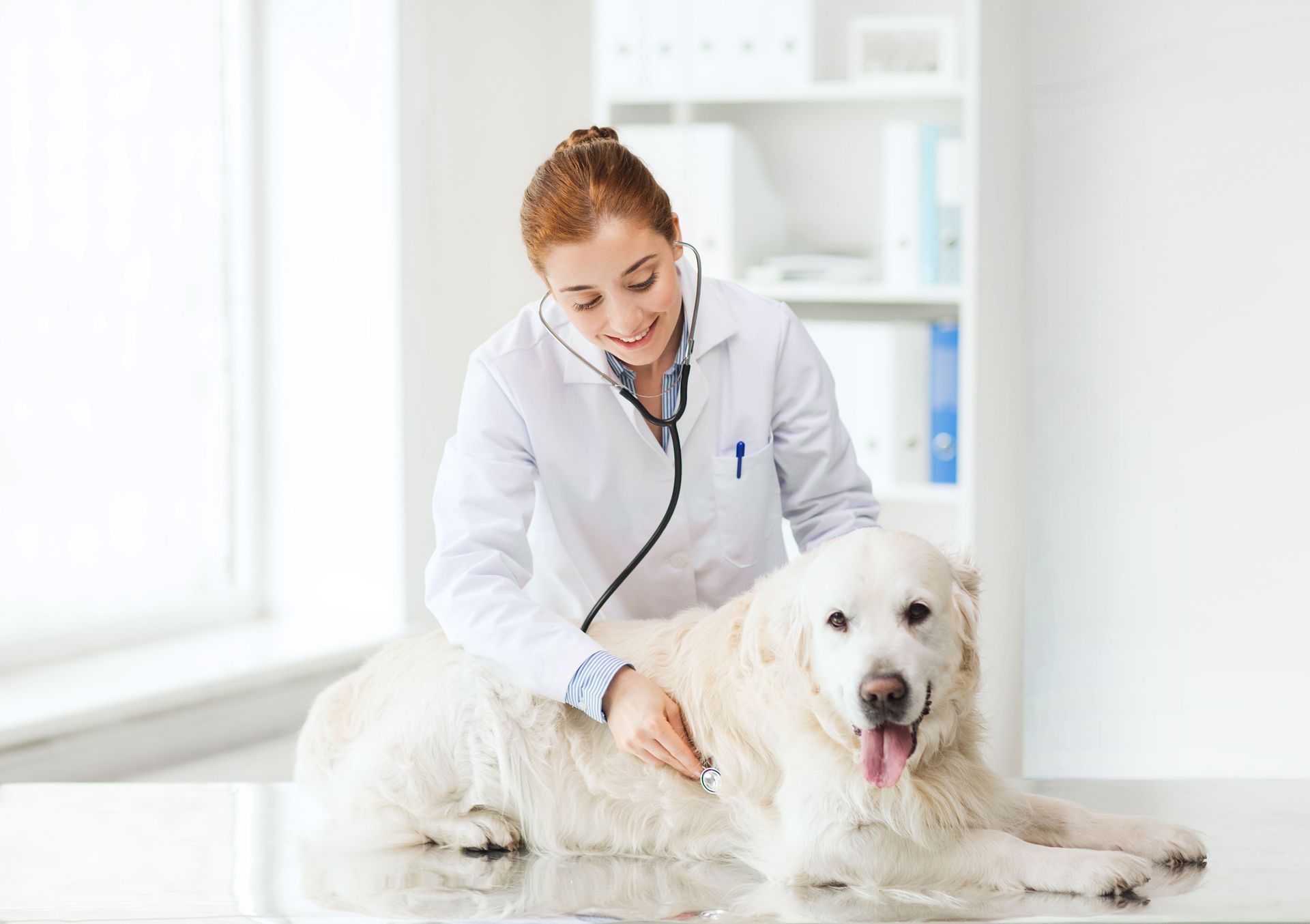
Veterinarians and their staff are trained to handle pets with varying levels of anxiety. Don’t hesitate to ask for help if your dog is nervous. Many clinics have specific protocols to minimize stress, such as using low-stimulation rooms, offering treats, or providing extra staff support during exams.
In some cases, a vet may recommend short, gradual exposure to procedures that normally cause anxiety. For example, practicing injections with a non-medical object or simulating nail trims at home can make the actual procedure less intimidating. These small steps help your dog develop coping skills for future visits.
Professional support isn’t limited to in-clinic care. Some vets offer guidance on at-home training or stress-reduction techniques that can improve the overall experience. By following their recommendations, you ensure that your dog is better prepared physically and emotionally for each visit.
For dogs with severe anxiety, your veterinarian may suggest specialized interventions. Options such as prescription medications, behavior modification programs, or referral to a veterinary behaviorist can be highly effective. These measures are designed to make visits safer and more manageable, ultimately benefiting both you and your furry friend.
Additionally, remember that positive reinforcement during and after the visit is crucial. Praise your dog, offer treats, and maintain a calm demeanor even as you leave the clinic. This reinforces the idea that visits to the vet are not only necessary but also a positive experience that ends with rewards and comfort.
Preparing your dog for a stress-free vet visit requires thoughtful planning, patience, and consistent reinforcement. By familiarizing your canine with the environment, building positive associations, managing pre-visit routines, and using professional support, you can transform what was once a stressful experience into a manageable and even enjoyable one. Over time, these strategies help your dog feel more confident and cooperative during appointments.
Remember that every dog is different, and what works for one pet may not work for another. The key is to start early, be consistent, and communicate openly with your veterinarian about your dog’s needs. With preparation and support, you can ensure that your dog’s healthcare experiences are calm, safe, and stress-free, allowing both you and your pet to feel confident about visiting the vet whenever necessary.
Ready to give your pet the preventive care they deserve? Contact Hixson Pet Wellness Center today to schedule a wellness exam with an experienced veterinarian and keep your furry friend healthy year-round.