September 30, 2026
Welcoming an animal companion into your home brings immense joy and a profound sense of responsibility. The bond that forms between humans and animals enriches our daily experiences and provides unparalleled emotional support. As a dedicated caretaker, ensuring the health and happiness of your furry friend remains a top priority. A crucial aspect of this responsibility involves regular medical evaluations and preventative care. Many individuals find themselves wondering exactly when and how frequently they should seek professional medical attention for their animals to prevent future ailments. The answer depends on a variety of factors including age, species, breed, and overall health status. Establishing a reliable schedule with a trusted veterinary professional ensures that your animal receives the necessary preventative care and early interventions required for a long and healthy life. Navigating the different life stages of an animal requires adapting your approach to their healthcare needs. Through consistent communication with your chosen medical professional, you can create a tailored plan that addresses the unique requirements of your beloved companion. Finding a dependable vet clinic serves as the foundation for this lifelong partnership in health.
Understanding the Needs of Young Animals
The early stages of the life of an animal companion involve rapid growth and development, necessitating frequent medical oversight. Puppies and kittens possess developing immune systems that require careful support through a series of initial vaccinations and thorough physical examinations. During these preliminary months, medical professionals monitor weight gain, check for congenital abnormalities, and provide essential preventative treatments for internal and external parasites. These foundational visits are critical for establishing a baseline of health and addressing any initial concerns regarding diet, behavior, or training. Regular appointments during this formative period help ensure that young animals grow into strong and resilient adults.
Beyond the physical health benefits, these early appointments play a vital role in socialization and behavioral development. Introducing a young animal to a vet clinic in a positive and gentle manner helps reduce fear and anxiety associated with medical care later in life. Veterinarians and technicians can offer invaluable guidance on socialization techniques, basic training principles, and creating a supportive home environment. This collaborative approach between the caretaker and the medical team establishes a strong foundation of trust and sets the stage for a lifetime of positive medical experiences. Consistent guidance during these early months proves essential for shaping a well-adjusted adult companion.
Evaluating the Health of Adult Companions
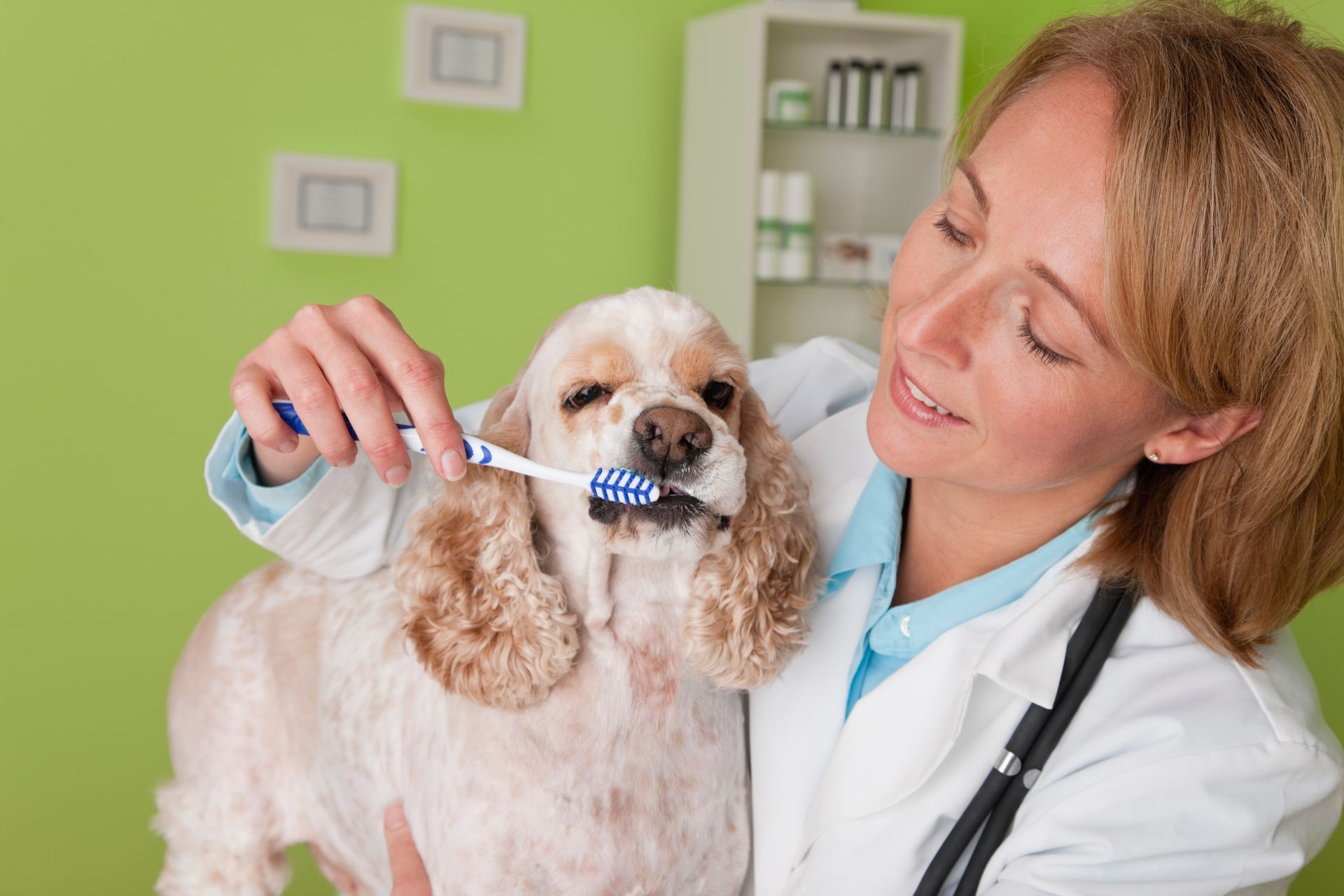
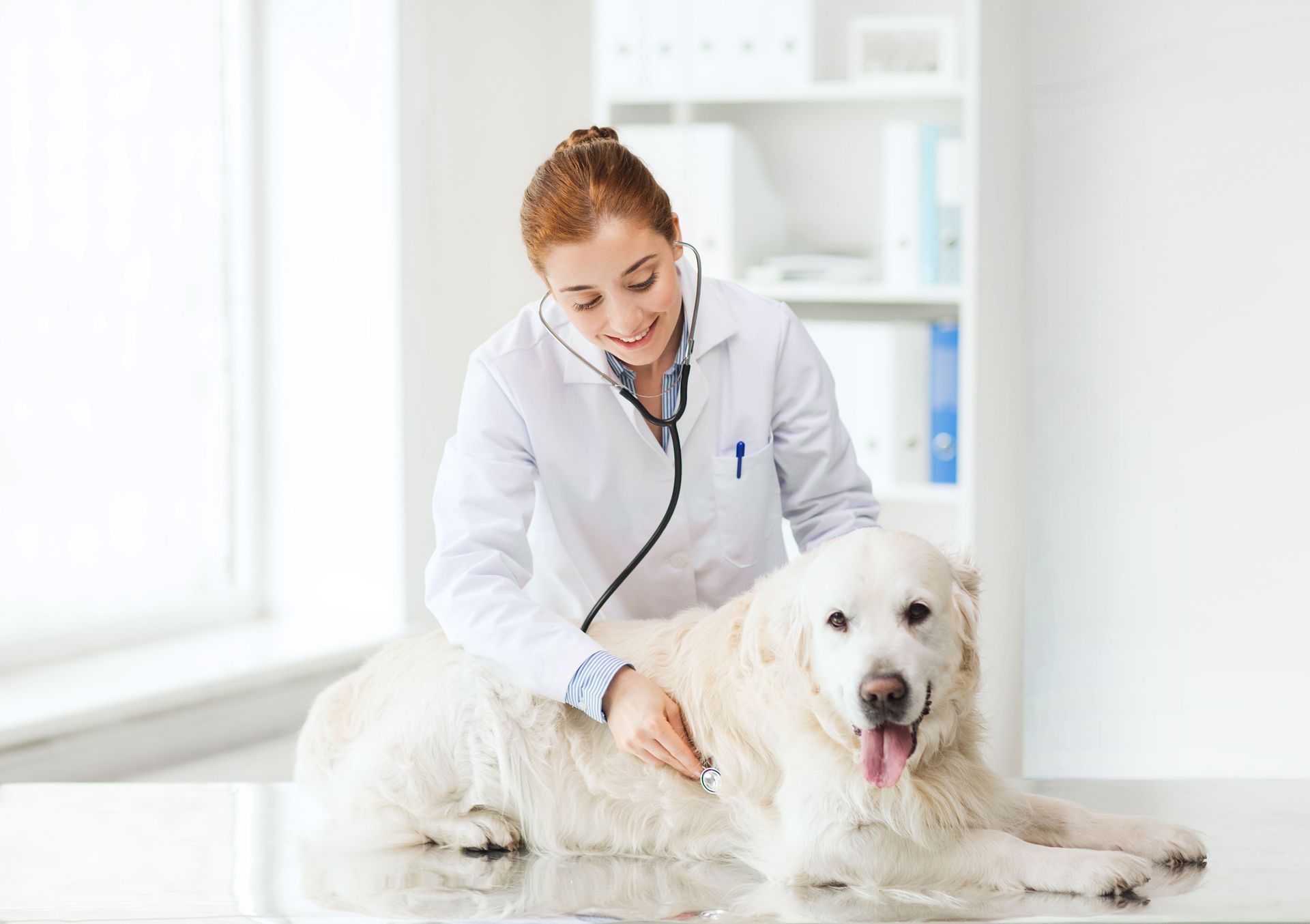
As animals transition into their prime adult years, the frequency of medical visits typically stabilizes, shifting focus toward maintaining optimal health and preventing future complications. For the average healthy adult dog or cat, scheduling comprehensive wellness examinations on an annual basis remains a standard recommendation. These comprehensive evaluations allow medical professionals to assess overall physical condition, monitor weight fluctuations, and perform thorough dental examinations. Dental health significantly impacts systemic well-being, and regular assessments help prevent periodontal disease and related systemic infections. Consistent evaluations during adulthood serve as a proactive measure to detect subtle changes before they develop into serious medical issues.
During these routine adult examinations, caretakers have the opportunity to discuss any behavioral changes or dietary concerns with their medical provider. According to the American Veterinary Medical Association, in 2024, 71% of veterinarians specialized in companion animal practice. This specialization ensures that professionals possess the specific knowledge and expertise required to address the nuanced needs of adult pets. Maintaining an open dialogue with your local vet clinic allows for personalized recommendations regarding nutrition, exercise routines, and parasite prevention strategies. By actively participating in these annual evaluations, caretakers empower themselves to make informed decisions that promote the continued vitality of their adult companions.
Monitoring the Wellness of Senior Animals
The aging process brings about gradual physiological changes that require increased attention and more frequent medical intervention. As animals enter their senior years, their metabolic rates slow down, and they become more susceptible to age-related conditions such as degenerative joint disease, cognitive decline, and metabolic disorders. Consequently, medical professionals generally recommend increasing the frequency of wellness examinations to a biannual schedule. These more frequent assessments enable the early detection of subtle shifts in health status, allowing for prompt implementation of supportive therapies. Proactive monitoring during the senior years significantly enhances the quality of life and comfort of aging companions.
Senior wellness examinations often involve a more comprehensive approach, including detailed mobility assessments and thorough discussions regarding changes in drinking, eating, or elimination habits. A dedicated vet clinic will typically recommend routine diagnostic testing to evaluate organ function and screen for common geriatric diseases. Addressing age-related discomfort through pain management protocols, dietary adjustments, and environmental modifications becomes a primary focus during this life stage. By partnering closely with a medical professional, caretakers can navigate the complexities of the aging process with compassion and confidence, ensuring their senior animals remain comfortable and cherished throughout their twilight years.
Recognizing the Signs of Urgent Conditions
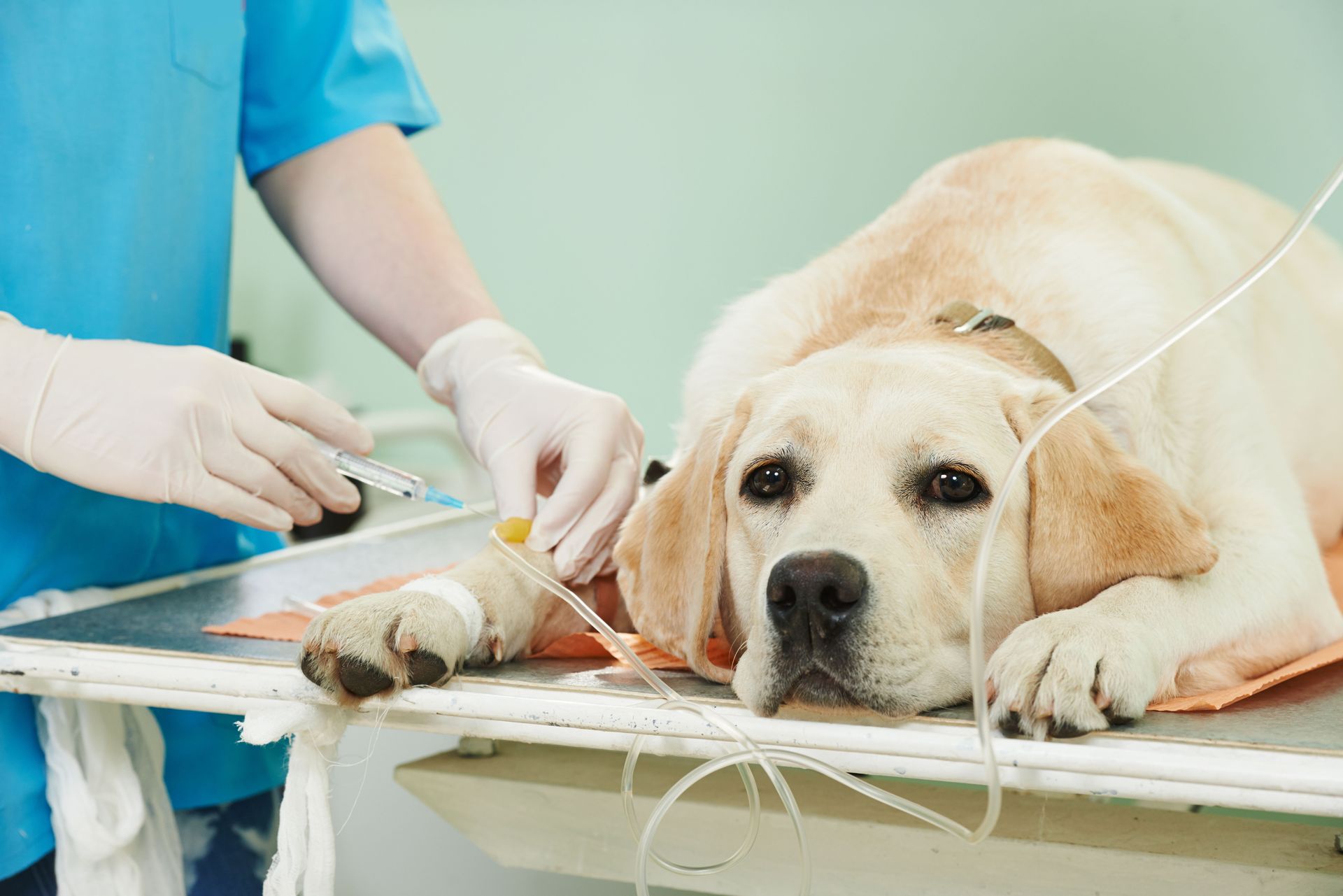
Despite diligent preventative care, unexpected injuries and sudden illnesses can occur at any stage of the life of an animal. Recognizing the subtle and overt signs of distress is crucial for seeking timely medical intervention. Symptoms such as persistent vomiting, severe lethargy, sudden changes in breathing patterns, or an inability to stand require immediate professional evaluation. Delaying medical attention in these situations can rapidly exacerbate the underlying condition and potentially lead to severe, life-threatening complications that could otherwise be avoided. Caretakers must remain vigilant and trust their instincts when observing abnormal behaviors or physical symptoms in their companions.
Establishing a clear plan for emergencies minimizes panic and ensures swift action when critical care is required. Familiarizing yourself with the operating hours and emergency protocols of your primary vet clinic provides a crucial advantage during stressful moments. Knowing where to go and who to contact outside of regular business hours guarantees that your animal receives prompt attention regardless of the time of day. Promptly addressing urgent medical concerns through appropriate professional channels often makes a significant difference in the prognosis and recovery of an animal experiencing an acute health crisis.
Maintaining the Efficacy of Preventative Measures
Preventative medicine forms the cornerstone of comprehensive animal healthcare, safeguarding companions from a multitude of preventable diseases and parasitic infections. Core vaccinations require periodic updates to maintain their protective efficacy against highly contagious and potentially fatal viruses. The specific vaccines and their administration schedules depend on the individual risk profile of the animal, taking into account their lifestyle, geographic location, and potential exposure to infectious agents. Adhering to these customized vaccination protocols ensures continuous immunological protection and contributes to the overall health of the broader animal community.
In addition to vaccinations, consistent parasite prevention remains a critical component of routine medical care. Fleas, ticks, heartworms, and intestinal parasites pose significant health risks and can transmit dangerous diseases to both animals and humans. A knowledgeable professional at a reliable vet clinic can recommend the most effective and safe preventative products based on the specific needs of the animal and the prevalent regional threats. Maintaining a consistent schedule of preventative treatments, alongside routine screenings, provides robust protection and prevents the development of serious complications associated with parasitic infestations.
Prioritizing regular medical evaluations remains a fundamental responsibility for any caretaker who shares their life with an animal companion. From the crucial developmental stages of youth to the specialized care required during the senior years, consistent veterinary oversight adapts to the changing needs of your beloved friend. By embracing preventative medicine, utilizing routine diagnostic tools, and remaining vigilant for signs of illness, caretakers can significantly enhance the health and longevity of their animals. A proactive approach to healthcare fosters a deep bond built on trust, continuous observation, and a mutual commitment to long-term well-being. To ensure your companion receives the highest standard of compassionate and comprehensive medical care from a premier vet clinic, contact this business: Hixson Pet Wellness Center.