October 5, 2026
In today’s digital landscape, a modern online presence and efficient communication tools indicate a well-managed practice. A comprehensive website provides transparent information regarding clinical services, staff credentials, facility amenities, and practice philosophy. Additionally, clinics offering online appointment scheduling, digital medical record portals, and virtual triage consultations reflect a forward-thinking approach to client service. Active social media channels can also offer valuable glimpses into the clinic’s daily culture and community involvement. Reliable digital communication channels ensure you can easily request prescription refills or lab results between routine visits.
Services Offered
When comparing local vet offices, the breadth of available medical services is a primary consideration. A practice offering comprehensive care—including routine wellness exams, digital dentistry, advanced surgery, and senior pet management—can serve as a lifelong medical home. Assess whether the practice provides specialized diagnostic or therapeutic options, such as acupuncture or specialized oncology support, if your pet has unique requirements. Accessing a broad spectrum of services under one roof eliminates the stress of transferring records to multiple facilities. Integrated care models promote seamless communication and holistic monitoring of your pet’s lifelong health.
Specialized care options become increasingly vital if your pet suffers from chronic conditions, breed-specific ailments, or complex internal diseases. Clinics featuring advanced diagnostic equipment or visiting specialists in fields like cardiology and orthopedic surgery demonstrate a high capacity for sophisticated case management. It is beneficial to ask how the clinic handles board-certified specialist referrals and whether they collaborate with external specialty centers. Practices committed to expanding their specialized care capabilities consistently adopt cutting-edge therapies, ensuring your pet benefits from modern medical breakthroughs. This dedication often indicates a culture of advanced clinical excellence.
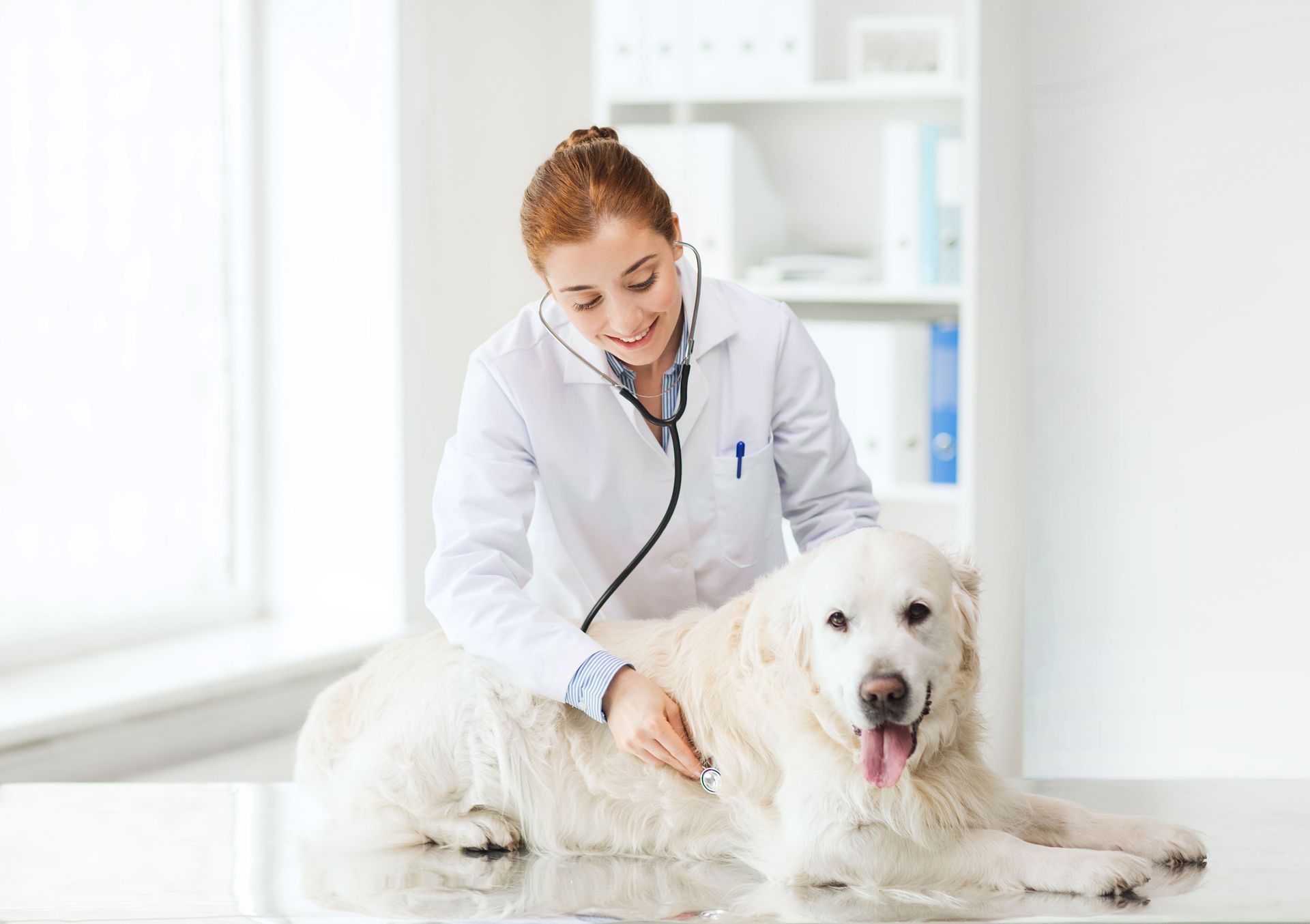
Diagnostics and laboratory capabilities form the foundation of accurate, timely veterinary medicine. A facility equipped with in-house diagnostic tools—such as digital radiography, high-resolution ultrasound, and automated blood chemistry analyzers—can deliver rapid diagnostic answers during urgent visits. Immediate access to lab results is crucial during emergency triage, pre-anesthetic screenings, and critical illness evaluations, allowing the medical team to initiate targeted treatments without delay. In-house diagnostic labs also enable veterinarians to monitor ongoing organ function efficiently. Inquiring about a practice's diagnostic infrastructure ensures your pet receives precise, data-driven medical care.
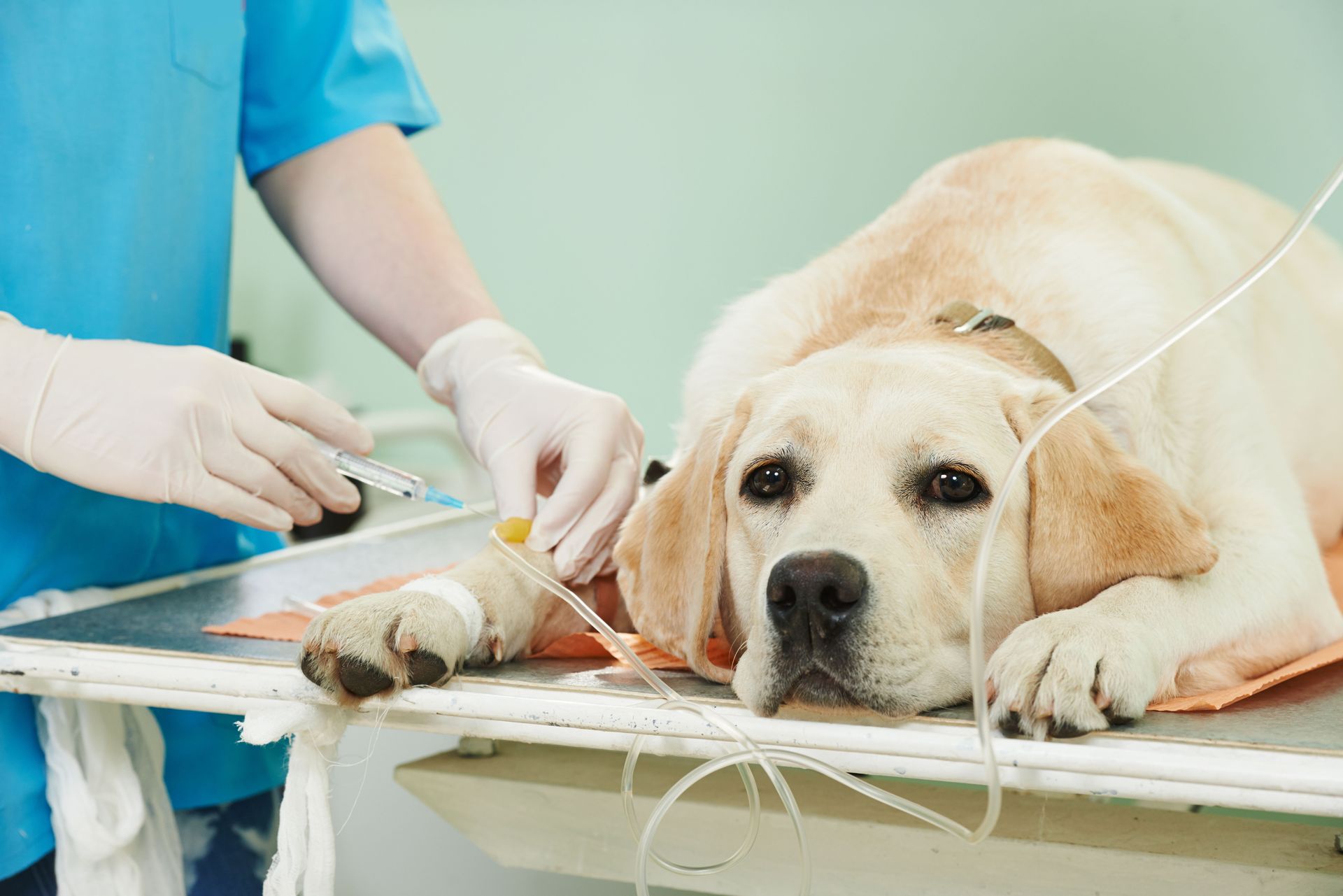
Surgical suites and recovery amenities are essential components of a high-standard veterinary facility. Advanced practices feature dedicated, sterile surgical suites equipped with gas anesthesia, heated patient warming systems, and comprehensive vital sign monitors tracking heart rate, oxygen saturation, and blood pressure. Post-operative care is equally critical, so inquire about recovery protocols, pain management strategies, and overnight monitoring capabilities. Observing how a clinical team manages multi-modal pain relief and post-surgical rehabilitation reveals their overall commitment to patient comfort. Choosing a facility that prioritizes surgical precision and compassionate nursing care promotes faster healing for your pet.
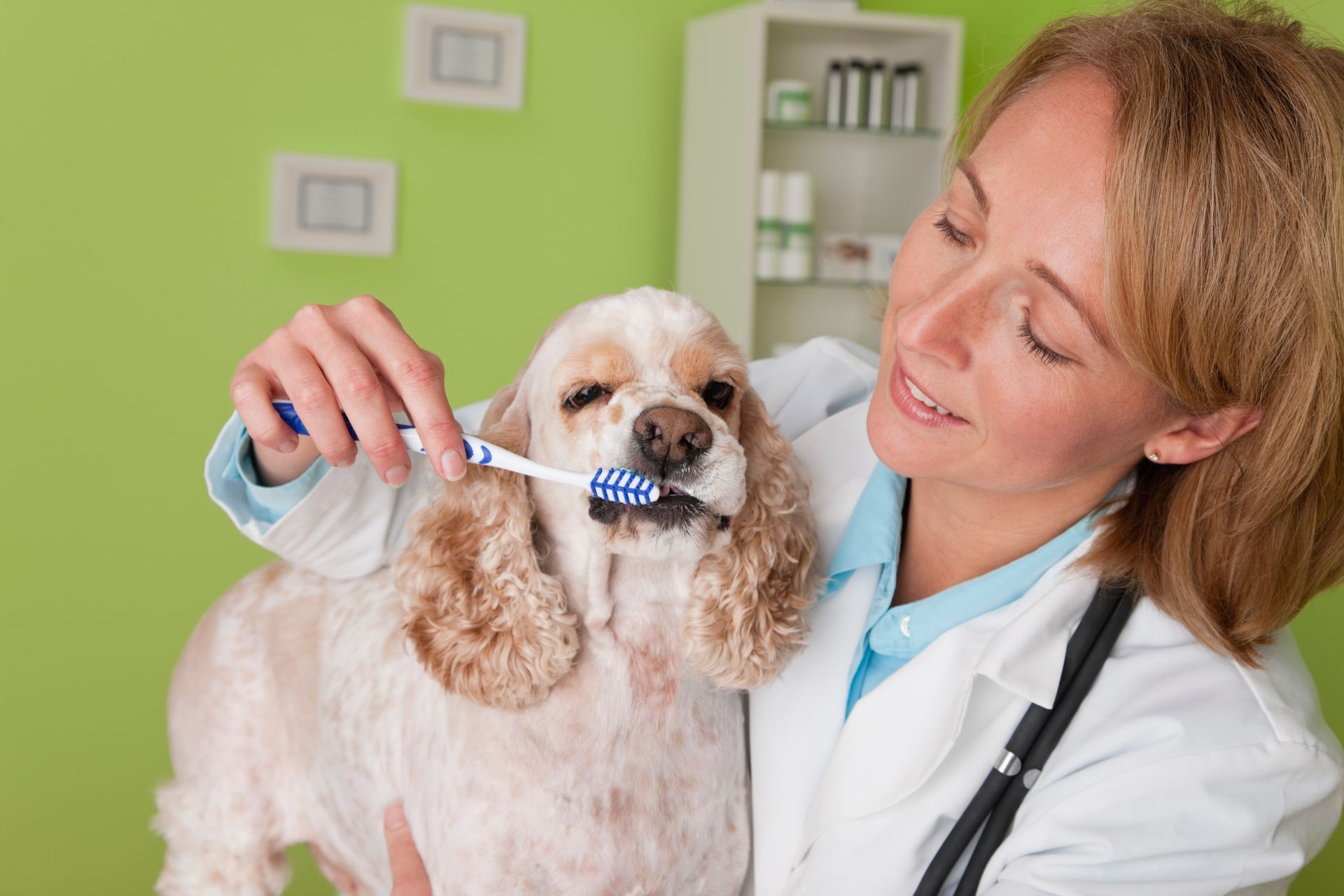
Preventative care programs are essential for safeguarding your pet’s long-term health and catching subtle health changes early. These structured wellness initiatives typically encompass tailored vaccination schedules, year-round parasite prevention, comprehensive dental health checks, and customized nutritional counseling. According to Grand View Research, the U.S. veterinary services market was estimated at USD 36.52 billion in 2024, and is projected to grow to USD 38.23 billion in 2025. This steady economic expansion highlights the growing nationwide emphasis on high-quality veterinary care and proactive wellness management. Practices prioritizing preventative medicine help owners avoid preventable diseases, supporting a happier life for their pets.
Staff Qualifications and Experience
The formal credentials and practical experience of the veterinary team directly govern the quality of care your pet receives. Verify that the veterinarians are state-licensed graduates of accredited veterinary medicine programs and check if any hold board certifications in specialized disciplines. Beyond basic licensing, extensive hands-on experience across diverse clinical cases enhances a veterinarian’s diagnostic acumen and surgical skill. Furthermore, practitioners who actively participate in professional associations demonstrate a strong commitment to clinical excellence. Choosing experienced veterinarians ensures your pet benefits from seasoned clinical judgment and up-to-date medical knowledge.
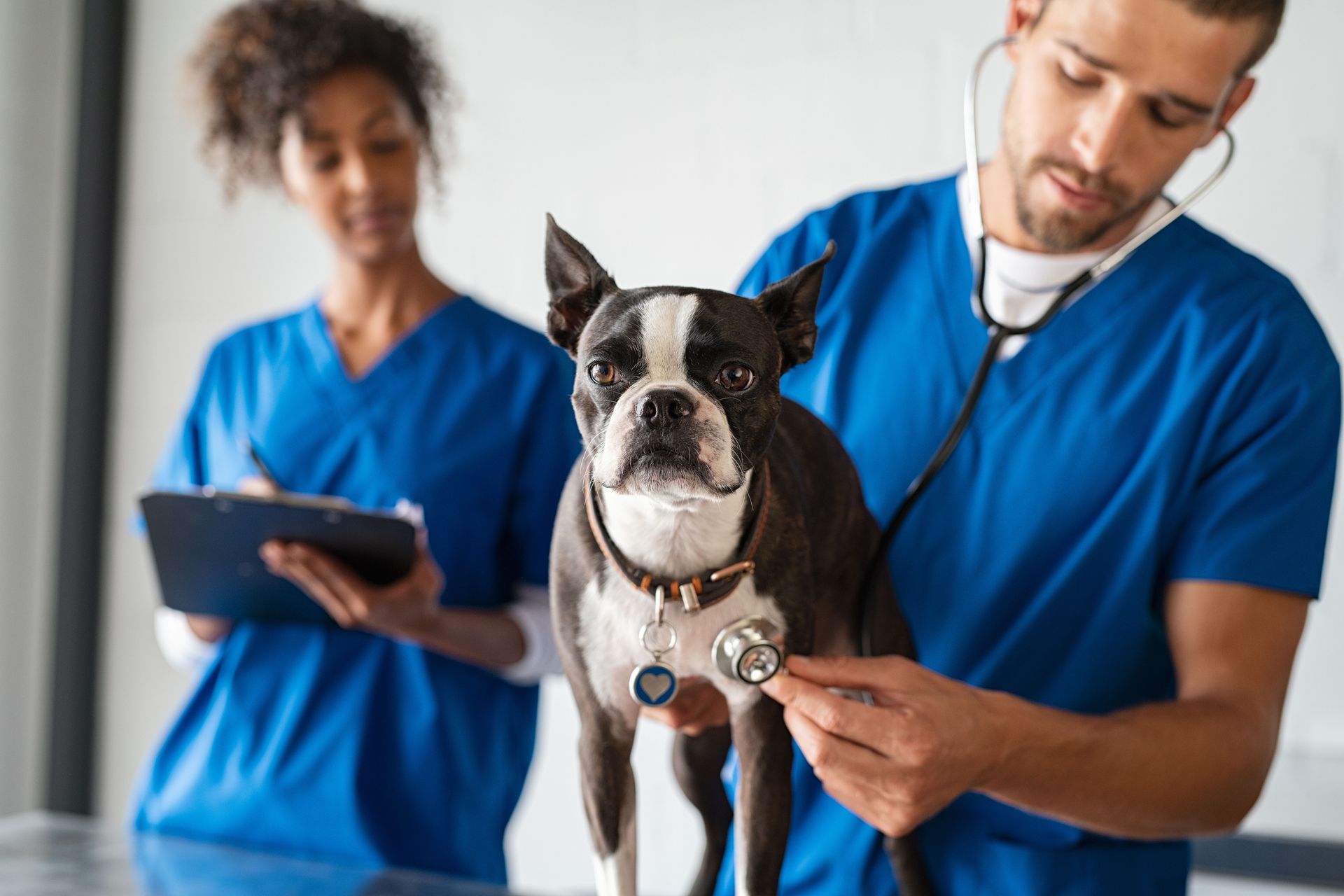
Support staff expertise is equally vital in creating a safe, efficient, and compassionate care environment. Credentialed veterinary technicians, experienced assistants, and skilled client service representatives form the operational backbone of high-performing vet offices. Technicians handle delicate clinical tasks, including anesthesia monitoring, laboratory processing, nursing care, and client education. Their professional competence and gentle handling techniques directly impact your pet's safety and comfort during medical visits. Inquire about the team's credentialing levels and clinical training to gauge the overall standard of care. A well-trained support team enhances practice efficiency and client confidence.
Ongoing professional development ensures that a veterinary practice remains aligned with rapidly evolving medical standards. High-caliber vet offices invest continuously in staff training programs, clinical workshops, and national conference attendance for their entire medical team. Regular continuing education keeps veterinarians and technicians informed about advanced surgical techniques, novel pharmaceuticals, and improved diagnostic protocols. Practices that foster a culture of lifelong learning adapt quickly to industry breakthroughs, offering innovative treatment options. Inquiring about a practice's commitment to ongoing education helps ensure your pet receives modern, evidence-based care.
Facility and Equipment
Cleanliness and environmental maintenance significantly impact patient safety, disease control, and overall comfort within vet offices. A clean facility adheres to strict sanitation and infection-control protocols, utilizing medical-grade disinfectants to eliminate pathogens in waiting areas, exam rooms, and surgical suites. Observing the cleanliness of surgical areas, isolation wards, and kennels provides clear insight into the practice’s daily operational standards. Facilities that prioritize hygiene actively minimize the risk of nosocomial infections and cross-contamination. Strict sanitation standards reflect a professional dedication to high-quality healthcare and patient safety.
The presence of modern medical technology is essential for delivering precise diagnoses and advanced treatments. Forward-thinking vet offices invest in digital radiography, dental X-rays, high-frequency surgical lasers, and advanced diagnostic analyzers to elevate their clinical standards. Digital imaging allows for immediate image capture and easy consultation with remote radiologists, accelerating diagnosis. Inquiring about a clinic's medical equipment highlights its commitment to practicing modern veterinary medicine. Up-to-date technology enables safer procedures, faster recoveries, and more accurate health assessments for your pet.
Client-Patient Relationship
Effective communication and staff responsiveness form the foundation of a successful, long-term relationship with local vet offices. A practice that maintains clear, open communication channels ensures pet parents are fully educated regarding diagnostic findings, treatment options, and prognosis. Prompt responses to phone calls, emails, or portal messages regarding home care or medication side effects demonstrate genuine dedication to patient safety. Assessing how empathetically and clearly the veterinary team communicates during initial consultations helps gauge their dedication to client education. Transparent, responsive communication fosters mutual trust and collaborative decision-making.
Comprehensive follow-up care is essential for monitoring patient recovery and assessing the success of ongoing medical treatments. Practices that implement structured follow-up protocols—such as post-surgical phone check-ins, routine recheck exams, and scheduled lab monitoring—demonstrate a commitment to complete healing. Follow-up calls allow technicians to address home-care questions, adjust pain management plans, and confirm that recovery is progressing as expected. Open post-treatment communication prevents minor complications from developing into severe medical setbacks. Dedicated follow-up care reflects a proactive approach to long-term patient health.
Selecting the ideal veterinary practice requires careful evaluation of clinical capabilities, staff credentials, facility standards, communication styles, and overall value. Thoroughly researching local options, reading verified reviews, and scheduling initial facility tours empowers pet parents to choose a medical team with complete confidence. Establishing a long-term partnership with a trusted, highly skilled vet offices team ensures your animal companion receives compassionate, high-quality care through every stage of life. To experience exceptional medical care, state-of-the-art diagnostic facilities, and a dedicated team that treats your pets like family, contact Hixson Pet Wellness Center today to schedule your pet’s comprehensive wellness consultation.